



Leave Your Message
What Are The Safety Measures For Loading Docks? Benefits Of Vehicle Restraints
Introduction
In industrial warehouses, vehicle restraints play a vital role. These devices are designed to ensure that vehicles parked in loading and unloading areas are parked safely and comply with relevant safety regulations. They are often used to secure trucks, trailers, or other large vehicles to prevent them from moving or sliding during loading and unloading. Not only does this protect workers and other vehicles from accidental injuries, but it also prevents cargo from being damaged or improperly stacked.
Additionally, vehicle restraints help improve loading and unloading efficiency. By ensuring vehicles are securely parked, workers can load and unload faster and more safely without the risk of the vehicle moving or losing control. This efficiency improvement can directly affect the operational efficiency and productivity of the entire warehouse.
To sum up, vehicle restraint devices play an indispensable role in industrial warehouses. They can not only protect the safety of personnel and equipment but also improve loading and unloading efficiency, thus having a positive impact on the operation of the entire warehouse.
Vehicle restraint systems have undergone significant evolution in industrial settings since the 1980s. Initially, these systems mainly used mechanical locking devices, such as wheel locks or steel guards, to prevent the vehicle from moving. However, with the advancement of technology and the improvement of safety standards, vehicle restraint systems are gradually developing in a smarter and safer direction.
One important evolution is the adoption of electronic control and sensing technology. Modern vehicle restraint systems are often equipped with electronic sensors that detect the position and status of the vehicle and control the operation of the restraint device through an automated control system. This intelligent design enables the vehicle restraint system to more accurately control the parking and release of the vehicle, improving safety and efficiency.
Another evolution is the added ability to integrate with other systems. Modern vehicle restraint systems can be integrated with warehouse management systems (WMS) or automated loading and unloading equipment to achieve higher levels of automation and coordination. This integration capability allows the vehicle restraint system to work seamlessly with other warehouse operations, improving overall loading and unloading efficiency.
Overall, vehicle restraint systems have made significant advances in technology and functionality since the 1980s, evolving from traditional mechanical locking devices to intelligent, automated systems that provide industrial warehouses with a higher level of security. Safety and efficiency.
Know vehicle restraints
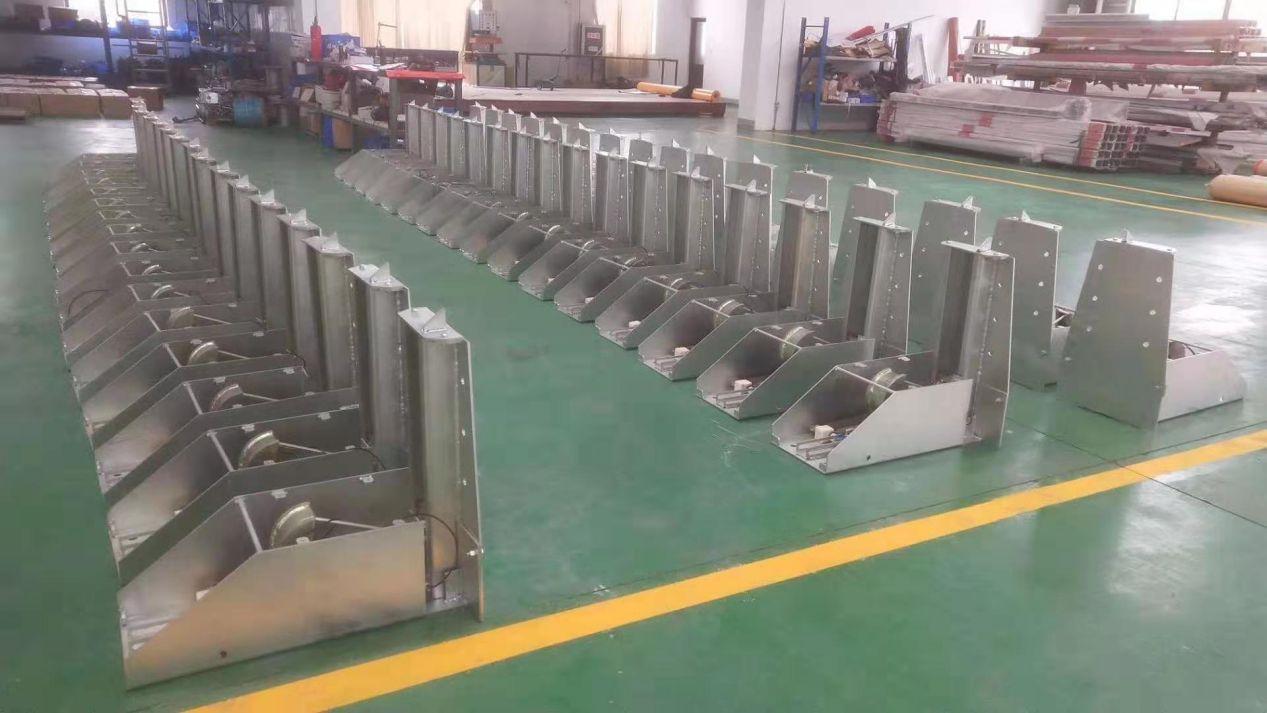
A vehicle restraint is a device used in industrial environments to ensure that vehicles (such as trucks, trailers, etc.) parked in loading and unloading areas can be parked safely and comply with relevant safety regulations. Its main purpose is to prevent vehicles from accidentally moving or sliding during loading and unloading, thus protecting workers, other vehicles, and cargo from damage.
Here are a few common types of vehicle restraints:
1. Rotating Hook: The rotating hook is usually installed on the ground in the loading and unloading area. When the vehicle is parked, the rotating hook will rotate and lock the vehicle's wheels to prevent it from moving. This device is suitable for various types of vehicles and is relatively simple to operate.
2. Shadow Hook: The shadow hook system uses electronic sensors and indicators on the ground to indicate the parking position of the vehicle, and automatically controls the lifting and lowering of the hook to ensure that the vehicle is parked in the correct position and locked safely.
3. Vertical Barrier: Vertical barriers are usually composed of retractable vertical pillars. When a vehicle is parked, the pillars will automatically rise and block the vehicle's progress to ensure that it is parked at the designated location.
4. Wheel Chock: A wheel chock is a simple but effective restraint device, usually made of strong rubber or metal, that is placed between the wheels of a vehicle to prevent the vehicle from moving.
5. Stable Trailer Restraint: This device is usually installed on the ground in the loading and unloading area and is connected to the rear of the trailer. It locks the rear wheels or floor of the trailer to ensure that the trailer is parked securely and prevents it from moving or tilting.
These different types of vehicle restraints each have their characteristics, but their common purpose is to ensure that the vehicle remains safe and secure when parked to increase workplace safety and efficiency.
Benefits of vehicle restraints
Preventing trailer separation accidents, improving employee and bystander safety, and increasing productivity and operational efficiency are among the key goals and benefits of vehicle restraints.
1. Prevent trailer separation accidents: Vehicle restraint devices can effectively prevent trailer separation accidents when loading and unloading cargo. By ensuring the trailer is securely parked and locked, you can prevent the trailer from moving or tilting during transport, reducing the risk of accidents and keeping your cargo and equipment safe.
2. Improve employee and bystander safety: Vehicle restraints not only protect the safety of your vehicle and cargo but also your workers and bystanders. By preventing vehicles from moving or sliding, the risk of workers being struck by vehicles is reduced, improving workplace safety.
3. Improve productivity and operational efficiency: Vehicle restraints can make loading and unloading operations more efficient. By ensuring that vehicles are securely parked, workers can load and unload more quickly and safely, reducing downtime caused by vehicle movement or loss of control and improving overall loading and unloading efficiency.
To sum up, vehicle restraint devices play an important role in industrial warehouses and loading and unloading sites. They can not only prevent accidents and protect personnel safety, but also improve loading and unloading efficiency, which has a positive impact on the entire operation.
Common causes of trailer separation
Trailer creep (dock walking) occurs when a truck driver fails to fully park the vehicle while loading or unloading, and the vehicle moves due to failure to promptly use vehicle restraints or other safety devices. This situation could cause the vehicle to move into an unsafe position, creating a risk of accidental injury or damage to cargo and equipment.
An early start is when a truck driver starts the vehicle early without fully parking it, causing the vehicle to move without permission. This behavior may raise safety issues, especially in cargo loading and unloading environments, where it may result in accidental injury or cargo damage.
Landing gear failure refers to a problem with the landing gear of a truck or trailer that prevents it from properly supporting the vehicle or adjusting the height of the vehicle. This failure may prevent the vehicle from being parked securely or adjusted to a height, increasing the risk of an accident.
Trailer rollover refers to a situation where a trailer rolls over or overturns due to improper operation or environmental factors when loading, unloading, or moving. This situation can cause serious safety issues, damage cargo and equipment, and possibly result in personal injury.
A trailer pop-up is a pop-up window on a truck or trailer that suddenly pops up or opens during transportation. This can be caused by improper loading or problems with the window itself, which can cause damage to the cargo or security issues.
To avoid the above problems, the use and maintenance of vehicle restraint devices should be strengthened to ensure that the vehicle is parked stably; drivers should operate according to regulations, abide by safety regulations, and ensure that safety devices are intact and effective; during the process of loading and unloading goods, pay attention to the balance and stable loading of goods. , as well as regular inspection and maintenance of vehicles and loading equipment.
Benefit industries
Vehicle restraint devices play an important role in various industries. They are mainly used to prevent accidental movement or sliding of vehicles during parking or transportation, thereby protecting personnel safety, preventing damage to goods, and improving work efficiency. The following are applications of vehicle restraints in different industries:
Industrial plants: Industrial plants often require the use of vehicle restraints when loading and unloading goods to prevent trucks from accidentally moving or sliding when loading and unloading goods and to protect the safety of workers and equipment.
Warehouse: In a warehouse, vehicle restraints can be used to secure trucks or other transport vehicles to ensure they remain stable during loading and unloading and prevent damage to the goods.
Production field: In the production field, vehicle restraint devices are usually used to fix vehicles transporting raw materials or finished products to ensure the continuous operation and safe production of the production line.
Sports venues: In sports venues, vehicle restraints can be used to secure trucks or other vehicles for transporting equipment or venue maintenance while ensuring the safety of spectators and staff.
Government Facilities: Government facilities may require the use of vehicle restraints to manage and control vehicles parked around the facility to maintain order and safety.
Farm: On a farm, vehicle restraints can be used to secure farm vehicles or other transport vehicles to ensure the safe loading, unloading, and transportation of agricultural products.
Grain storage elevator: In a grain storage elevator, the vehicle restraint device can be used to fix the vehicle transporting grain to ensure the safe storage and transportation of grain.
To sum up, vehicle restraint devices play an important role in various industries. By preventing accidental movement or sliding of vehicles, they protect personnel safety, prevent damage to cargo, and improve work efficiency.
Types of vehicle restraints and their characteristics
Hydraulic vehicle restraints
Hydraulic vehicle restraints are devices used to restrain vehicles. It realizes the fixation and control of the vehicle through the hydraulic system. This device is usually used in industrial sites, warehouses, parking lots and other places to ensure that vehicles remain stable during parking or transportation, prevent accidental movement or sliding, and improve work safety and efficiency.
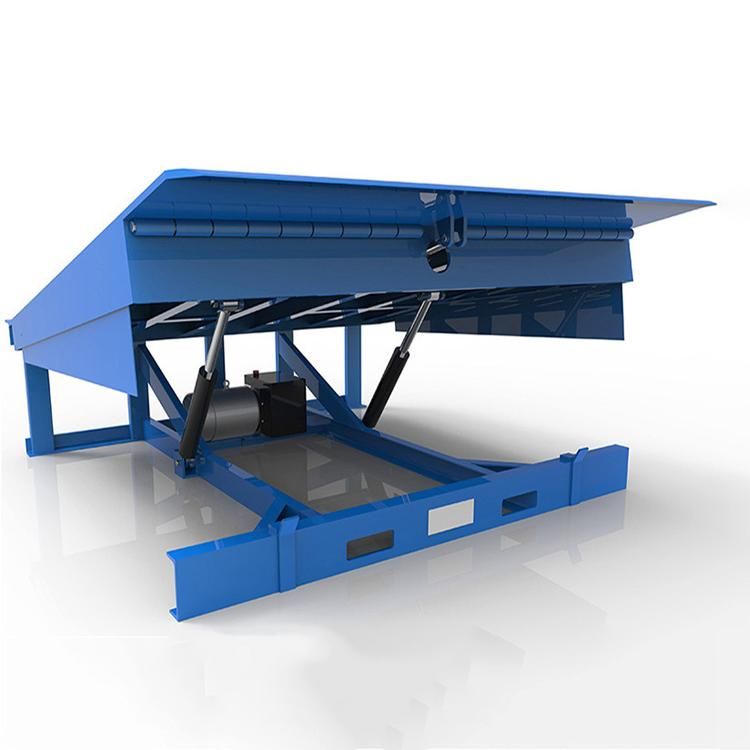
Hydraulic vehicle restraint devices usually consist of hydraulic cylinders, hydraulic pumps, control valves, etc. When the vehicle needs to be fixed, the hydraulic cylinder uses the pressure provided by the hydraulic pump to loosen the fixing devices (such as hooks, baffles, etc.). ) Apply sufficient force to the vehicle to ensure that the vehicle stops firmly. Control valves are used to control pressure and flow in hydraulic systems to achieve precise control of the fixture.
Hydraulic vehicle restraint devices have the advantages of easy operation, good fixation effect, safety and reliability, and are widely used in various vehicle restraint scenarios. For example, it is used in industrial plants to secure vehicles transporting raw materials or finished products, in warehouses to secure trucks to prevent goods from sliding or tilting, in parking lots to secure parked cars, etc. By using Hydraulic vehicle restraints, work safety can be increased. It can effectively improve, protect personnel and equipment, and improve work efficiency.
Electric vehicle restraint
An Electric vehicle restraint is a device that uses an electric drive system to restrain the movement or parking of a vehicle. This device is often used in industrial, commercial, and public places to ensure that vehicles remain stable during parking or transportation, prevent accidental movement or sliding, and improve work safety and efficiency.
Electric vehicle restraint usually consist of electric drive systems, controllers, and fixtures. When the vehicle needs to be fixed, the electric drive system uses the power provided by the controller to enable the fixing devices (such as hooks, baffles, etc.) to exert sufficient force on the vehicle to ensure that the vehicle is securely parked. Controllers are used to control the operation of electric drive systems, allowing precise control of fixtures.
The Electric vehicle restraint device has the advantages of easy operation, good fixation effect, safety, and reliability. Compared with traditional manual restraints, Electric vehicle restraint can provide higher precision and control capabilities, while reducing the need for manual operation and improving work efficiency.
Electric vehicle restraint devices can be widely used in various vehicle restraint scenarios, such as industrial plants, warehouses, parking lots, etc. By using Electric vehicle restraint, work safety can be effectively improved, personnel and equipment protected, and work efficiency improved.
Mechanical vehicle restraints
A mechanical vehicle restraint device is a device implemented using mechanical mechanics principles to restrain the movement or parking of vehicles. This device is often used in industrial, commercial, and public places to ensure that vehicles remain stable during parking or transportation, prevent accidental movement or sliding, and improve work safety and efficiency.
Mechanical vehicle restraint devices usually consist of mechanical structures, fixtures, and operating levers. When the vehicle needs to be fixed, the operator uses the operating lever to cause the mechanical structure to apply sufficient force to the vehicle so that the fixing devices (such as hooks, baffles, etc.) are fixed on the vehicle to ensure that the vehicle is parked stably.
The mechanical vehicle restraint device has the advantages of simple structure, convenient operation, and good fixing effect. Mechanical restraints may be more economical and practical in some situations because they do not require an electric drive system.
Mechanical vehicle restraint devices can be widely used in various vehicle restraint scenarios, such as industrial plants, warehouses, parking lots, etc. By using mechanical restraints, work safety can be effectively improved, personnel and equipment protected, and work efficiency improved.
Installation and maintenance of vehicle restraints
The Importance of Certified Installation Technicians
Certified installation technicians play a vital role in installing vehicle restraints. Through professional training and certification, they have a wealth of knowledge and experience to ensure that the device is installed and configured correctly and safely.
Certification of installation technicians ensures that they have the necessary skills and knowledge to effectively resolve problems that may be encountered during installation and ensure that the installation complies with relevant safety standards and regulations. This helps prevent accidents and keep the workplace safe.
In addition, certified installation technicians usually have good professionalism and service awareness, and can communicate effectively with customers and provide them with professional advice and support. Their work ability and service attitude can not only improve customer satisfaction but also help establish a good corporate image.
In summary, the importance of certified installation technicians in installing vehicle restraint devices is reflected in their professional knowledge, skills, and service attitude, which all play a vital role in ensuring the safe and efficient operation of the device.
Regular maintenance to ensure optimal performance
Check the securing devices: Check the working condition and stability of the securing devices (such as hooks, guards, etc.) to ensure that they can effectively secure the vehicle.
Check the hydraulic system: Check the pressure and flow of the hydraulic system to make sure the hydraulic system is working properly and there are no leaks or other problems.
Clean the unit: Regularly clean the surface and interior of the unit to remove dust, dirt, and other impurities to ensure that the unit's appearance and performance are not affected.
Lubricate components: Regularly lubricate the various components of your unit to ensure they run smoothly and reduce wear and friction.
Check the controller: Check the operating status of the controller to ensure that the controller can work properly and effectively control the operation of the device.
Assess safety performance: Regularly evaluate the safety performance of the device to ensure it complies with relevant safety standards and regulations.
The above are some common maintenance matters. The specific maintenance content and frequency should be determined according to the type of device, frequency of use, and working environment. It is recommended to consult the device's manual or manufacturer for detailed maintenance instructions before performing maintenance.
Conclusion
In an industrial environment, the importance of vehicle restraints cannot be underestimated as they can effectively prevent the vehicle from accidentally moving or sliding during parking or transportation, thereby protecting the safety of workers, equipment, and cargo and improving work efficiency; this means Installing appropriate vehicle restraints can prevent possible accidental injuries and protect equipment and cargo from damage, thereby avoiding costly financial losses, especially in industrial environments where equipment and cargo are often of considerable value. , so this type of protection is vital to maintaining the financial health of a business; in addition, by ensuring that equipment and goods remain stable during transportation or parking, vehicle restraints can also increase productivity because workers can be safer and more efficient Loading and unloading goods and transporting vehicles without worrying about safety hazards caused by accidental movement or sliding, thereby maximizing productivity and work efficiency. The benefits of this improved efficiency are not only reflected in the reduction of downtime and production during the production process. Delays can also save valuable human resources and improve the overall effectiveness of the workplace.
You can also contact us today for all your vehicle restraints problems.